
Need Help?

Don’t hesitate to contact us if you need further information. We are here to help!

Email us [email protected]

Call us 1-800-440-6008

121 High Hill Rd, Swedesboro, NJ 08085, USA View map

The single source of high performance floor underlayments.

Each of our products has been designed to protect your floors…
and your peace of mind.

Underlayment? What does it mean?

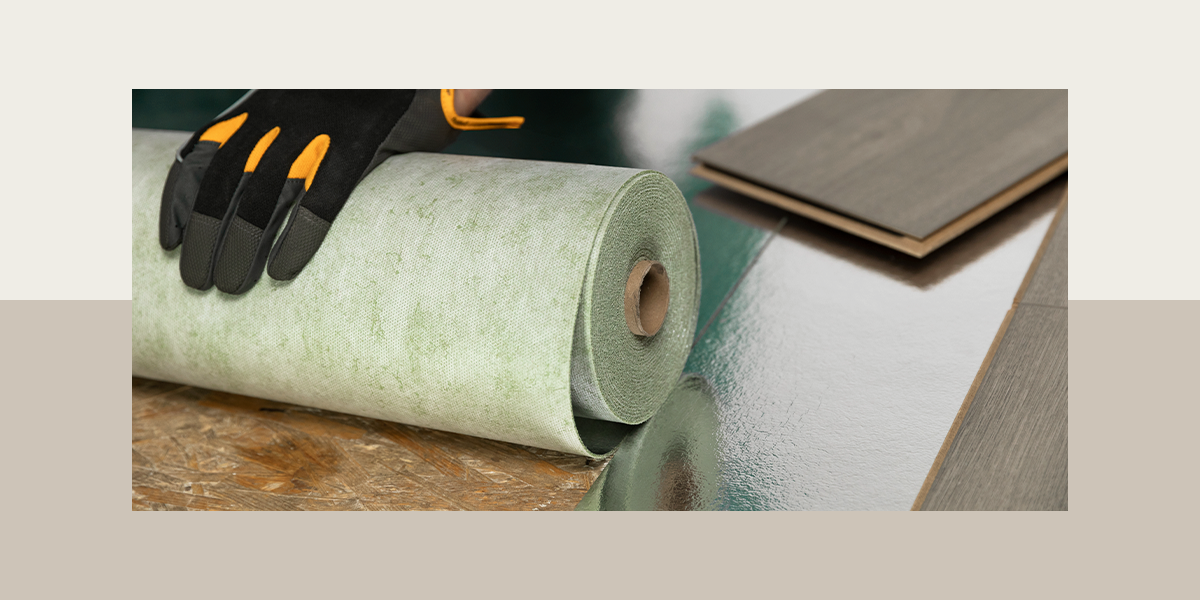
Underlayments provide support for the locking system of your flooring and can help address minor subfloor imperfections of your subfloor.

High performance underlayments like floorMuffler will improve the acoustical performance of your flooring system, will provide additional thermal properties and will protect your flooring from water vapor.
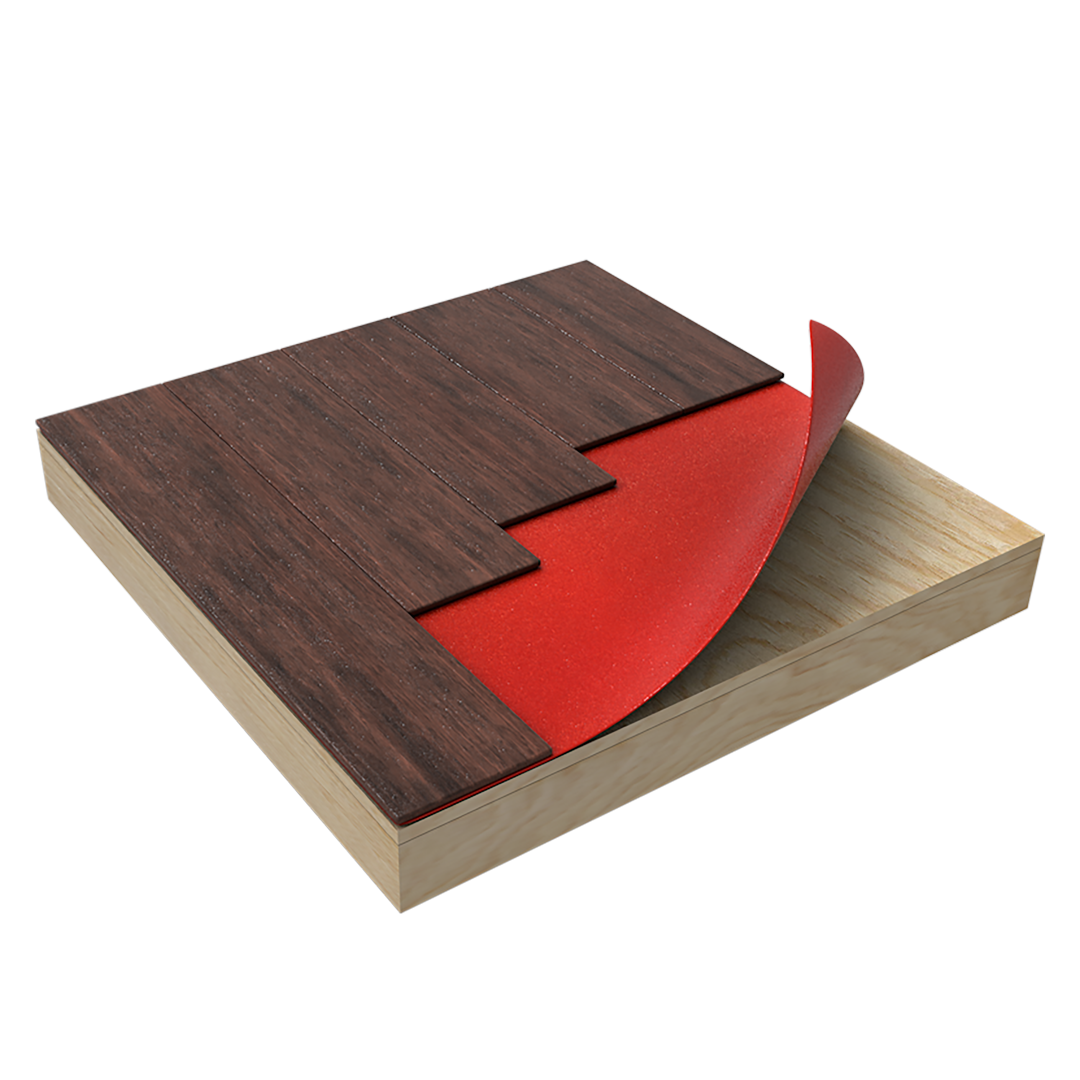
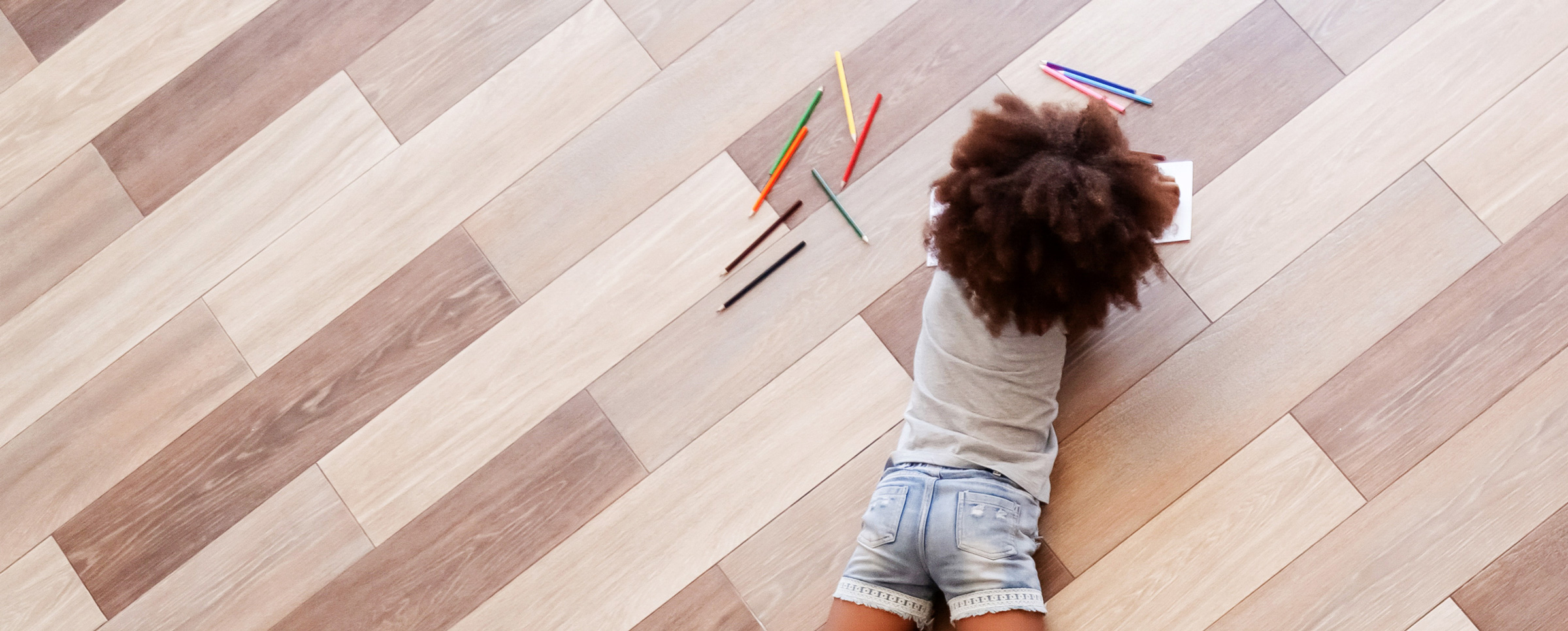
Benefits of using a High Performance Flooring Underlayment

  • Protect your floors

    An underlay with high compression strength helps protect the integrity of your flooring (locking systems)

  • Add Thermal Properties

    Improves the insulation value of your flooring system (known as R-Value)

  • Reduce Noise

    Improves the Acoustic Performance of your flooring system – IIC, STC, Delta IIC

  • Moisture Protection

    Provides a moisture barrier to control the passage of water vapor from the subfloor to your flooring

  • Easy to Install

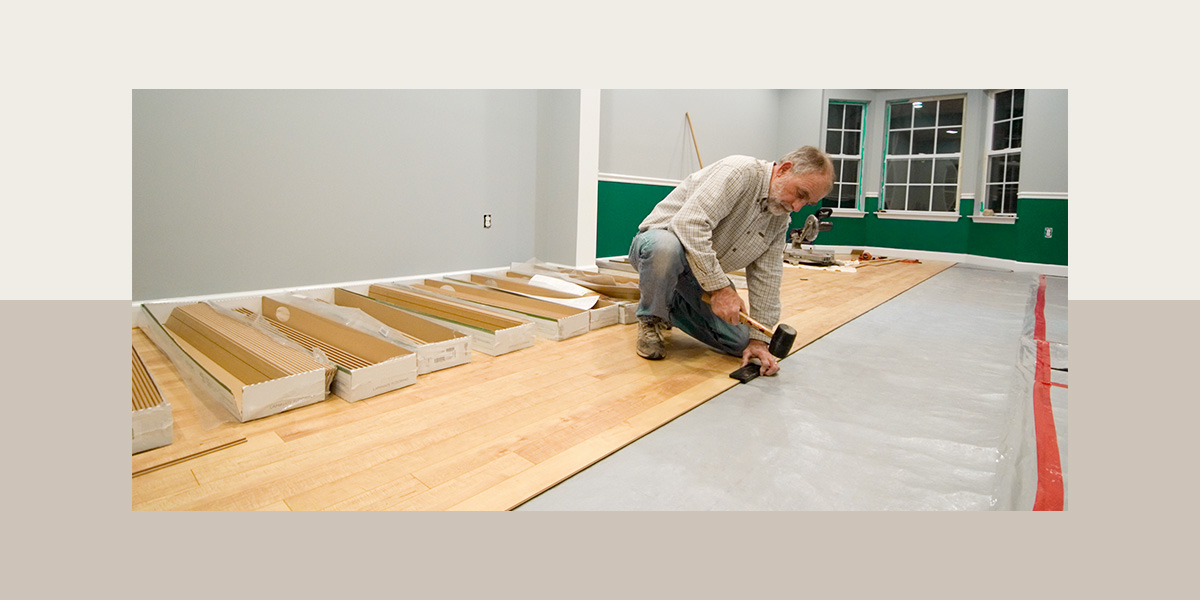
    Just roll the product and use the ultraSeal to tape the seams.

Which flooring underlayment to choose?

The selection of the right underlayment depends on different factors, such as the type of floor covering, the type of subfloor and the desired performance of your flooring system.

Find out which is the ideal underlayment by selecting the kind of floor in your home.

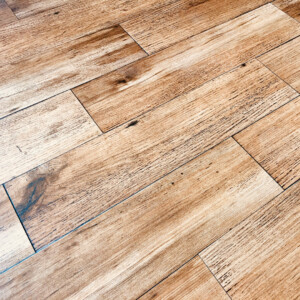
  • Hardwood floor Select

    For Use Under Laminate, Engineered & Hardwood

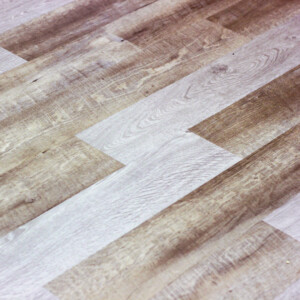
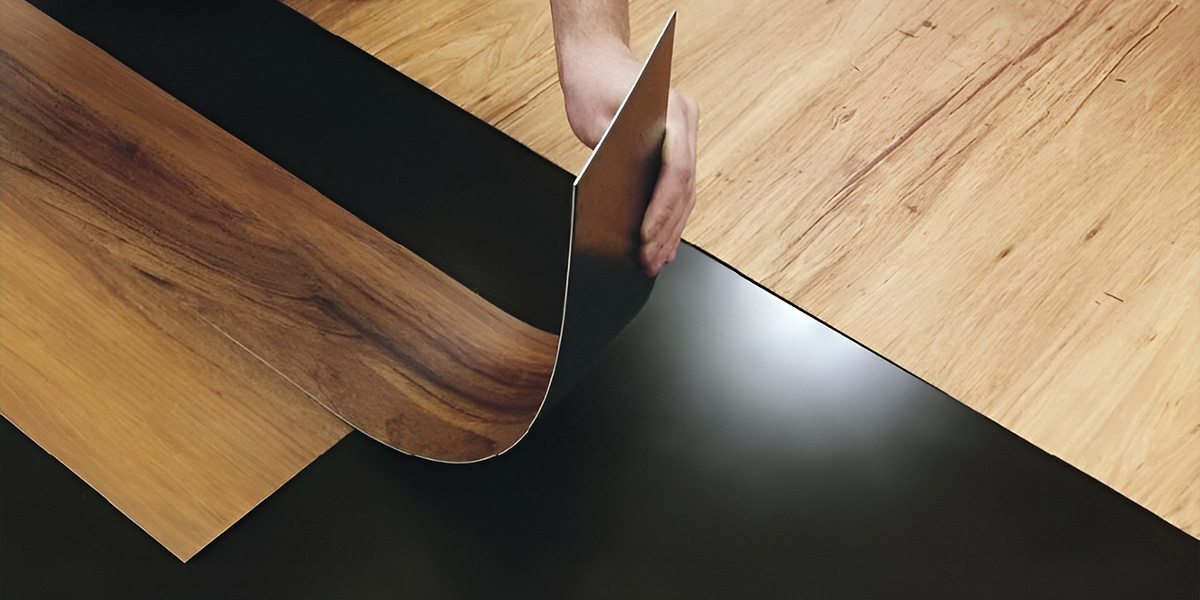
  • Select

    For Use Under Luxury Vinyl & Rigid Core

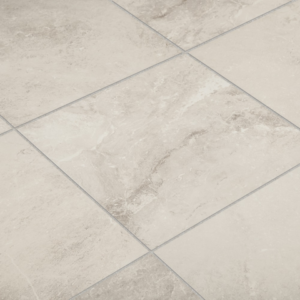
  • porcelain ceramic tile flooring Select

    For Use Under Porcelain and Ceramic Tile

All products

Blog Latest Notes

  • Benefits of Magnetic Flooring vs. Traditional Installation Methods

    Benefits of Magnetic Flooring vs. Traditional Installation Methods

    For decades, floor installation has been associated with disruption and limitations. Traditional methods often involve messy adhesives, noisy nail guns, or fragile click-lock systems prone to cracking. These approaches can lead to significant business downtime, exposure to toxic fumes, and the commitment of glued-down flooring. Magnetic flooring systems are revolutionizing […]
  • Underlayment ROI: Does It Really Save Money?

    When calculating the return on investment (ROI) of your new flooring, you may see premium underlayment as an unnecessary cost. However, paying more for quality underlayment can protect your flooring and maintain its condition. Learn how underlayment can offer significant ROI, from energy efficiency to potential property value increases.  What […]
  • Cold Floors in Winter? The R-Value Guide

    Cold Floors in Winter? The R-Value Guide

    During winter mornings, you might get a shiver when your feet hit the cold, uninsulated floor. This may prompt you to crank up the heat, but doing so barely helps. The problem likely isn’t your furnace, but what’s underneath your floors. In winter, cold floors can act like a thermal […]
  • Thick vs. Thin Underlayment: Which Should You Choose?

    Thick vs. Thin Underlayment: Which Should You Choose?

    Many assume that thicker underlayment is the superior option for flooring projects—that more thickness automatically means better moisture protection, sound control, and thermal performance. In reality, this isn’t always the case. Although certain installations require specific underlayment profiles, choosing the right underlayment for your project isn’t just about thickness. It’s […]
  • Enhancing SPC Flooring With Underlayment

    Stone plastic composite (SPC) flooring is known for its realistic appearance, excellent water resistance and long-lasting durability. This rigid-core vinyl flooring is made by blending polyvinyl chloride, limestone powder and stabilizers to create a firm surface with a denser core than other plastic composites like wood plastic composite. While SPC […]
1 / 5

General FAQs

  • What types of flooring require underlayment?

    Most hard-surface floating floors—including laminate, engineered hardwood, and solid hardwood—require an underlayment. Even Luxury Vinyl Plank (LVP) or laminate with a pre-attached pad often needs a dedicated moisture barrier film when being installed over a concrete subfloor to prevent warping and mold growth. View our Products page to learn more about the best underylayment for your flooring type.
  • How do you install underlayment?

    Underlayment is typically rolled out perpendicular to the direction of your flooring planks. For optimal moisture protection, you should run the edges about 2 inches up the perimeter walls and tightly seal all seams. Our premium products feature an integrated Peel & Stick lip and tape system to make this process incredibly fast and secure. For a step-by-step visual guide, visit our Videos page.
  • What type of underlayment is best for laminate?

    A premium cross-linked polypropylene (XLPP) foam underlayment is the best choice for laminate flooring. Our floorMuffler® ultraSeal is the industry’s top choice, offering superior sound reduction to eliminate the hollow sound of laminate, excellent joint support, and a built-in moisture barrier. You can explore all of our laminate-approved options on our Products page.
  • Can I get professional advice on the best underlayment to buy?

    Absolutely! Choosing the right underlayment depends on your specific subfloor, flooring type, and acoustic goals. Our expert team is here to help you navigate your options and ensure your installation is a success. Please feel free to contact us for personalized recommendations for your project.